
Remove stye or chalazion safely
No stitches. No stress. Book a free consultation at The Goldberg Centre today!
Dr. Goldberg can help you with
- Relief from discomfort
- Improve appearance
- Prevent vision problems
- Restores normal eyelid function
- Prevent recurring condition
PLEASE COMPLETE THE SURVEY TO QUALIFY FOR TREATMENT
About Goldberg Centre Vision Correction
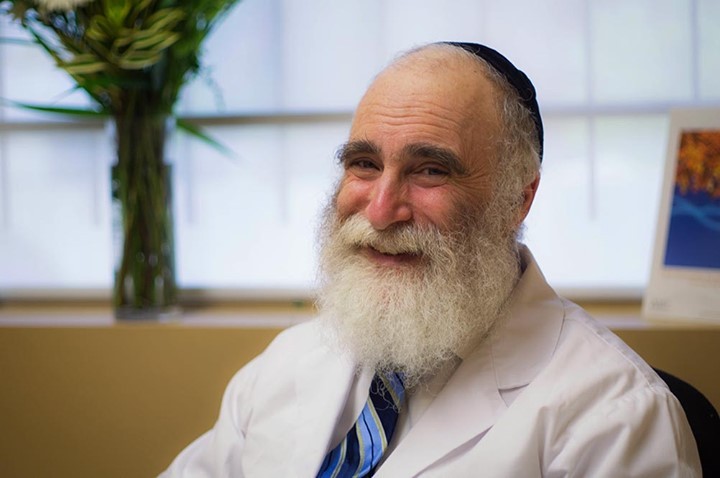
At Goldberg Centre, we understand how frustrating and uncomfortable a chalazion can be — the redness, swelling, tenderness, and self-consciousness it causes are more than just a cosmetic concern. Led by Dr. Chaim Goldberg, an eye specialist with over 42 years of experience, our clinic offers safe, effective, and minimally invasive chalazion removal without stitches, without general anesthesia, and without unnecessary stress.
Why Choose Goldberg CENTRE
- We priorities emergencies
- Receive Premier care in heart of Scarborough
- Relax in a professoinal comfortable setting
- Every patient receives personalized care
- Dr. Goldberg has more than 42 years of experience
- And more...
What to Expect at The Goldberg CENTRE VISION CORRECTION
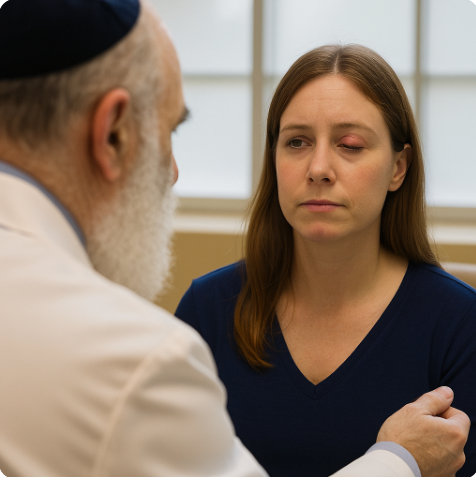
Comprehensive Consultation & Evaluation
The process begins with a one-on-one consultation with Dr. Goldberg, who brings over 42 years of experience in eyelid and vision care. Dr. Goldberg will carefully examine the chalazion to confirm the diagnosis, assess its size, location, and duration, and determine if it’s ready for removal. He will review your medical history, past treatments (like warm compresses or antibiotics), and explain what to expect from the procedure.
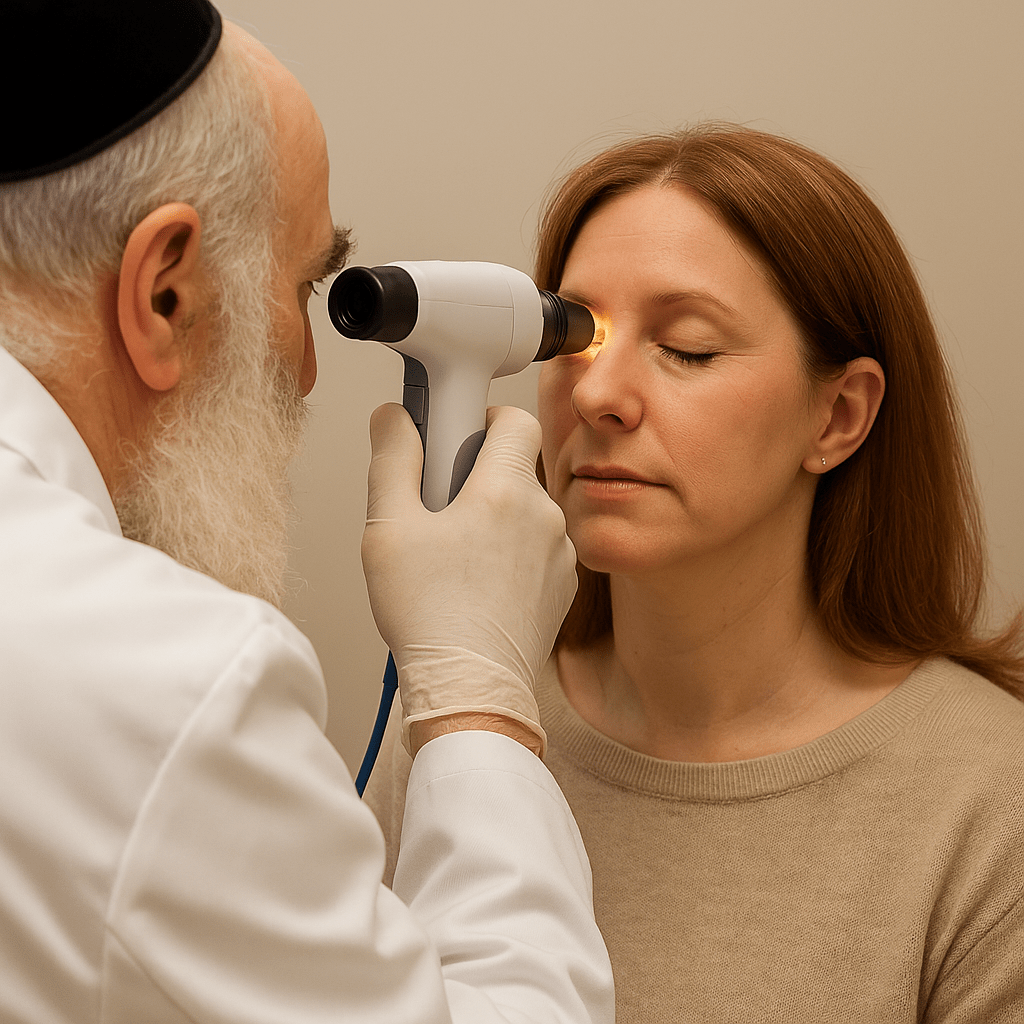
No-Stitch Chalazion Removal Procedure
Once confirmed, Dr. Goldberg will perform the removal right at the clinic, often on the same day as the consultation. The eyelid is gently numbed with a local anesthetic. Using a no-stitch, no-skin-incision technique, Dr. Goldberg drains the chalazion from the inner eyelid — avoiding external scars and minimizing tissue trauma. The procedure typically takes just 10–20 minutes and is painless, with patients describing only mild pressure or discomfort.
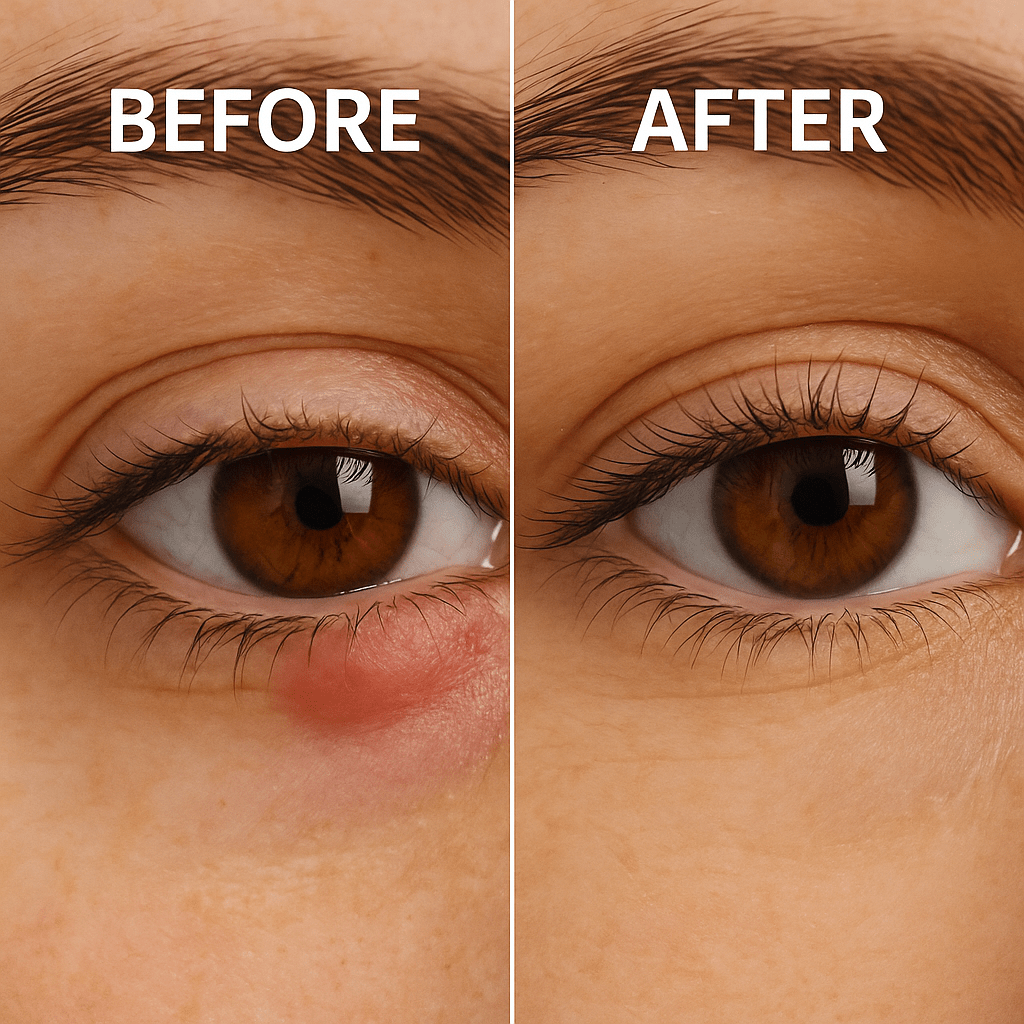
Post-Procedure Care & Follow-Up
After removal, Dr. Goldberg provides clear post-care instructions to ensure smooth healing. Patients can usually return to most daily activities right away, with minor precautions like avoiding heavy exercise or eye rubbing for a short time. You may be given a short course of topical antibiotics or drops. A follow-up check may be scheduled to confirm that healing is progressing well.
frequently asked questions
A chalazion is a small, painless lump or swelling that forms on the eyelid when an oil gland becomes blocked. While some chalazia resolve on their own with warm compresses, persistent or large ones can cause irritation, blurry vision, or cosmetic concerns — making professional removal the safest and most effective option.
A stye typically arises from an infection in either an eyelid oil gland or eyelash follicle. Additionally, stress and hormonal fluctuations can contribute to its occurrence.
On the other hand, a chalazion occurs when there is blockage in a small portion of the eyelid known as the meibomian gland. It can also develop from a stye that has ceased being infected but has left hardened residue trapped within a gland.
This eye condition can start with a bacterial infection in the meibomian glands of the eyelids. Bacteria such as Staphylococcus epidermis and Staphylococcus aureus are located on the skin and can be swept into the glands when you rub your eyes. In addition, a chalazion can form following a case of blepharitis. Blepharitis is the chronic inflammation of the eyelids and almost everyone above the age of 60 has it. Individuals with rosacea have a higher risk of developing blepharitis upon rubbing the eyes.
A chalazion is sometimes confused with a stye which also appears as a lump in the eyelid. A stye is an acute inflammatory infection of a lash follicle and forms a red, sore lump near the edge of the eyelid. A chalazion is usually a reaction to trapped oil secretions and not caused by bacteria, although the site can become secondarily infected by bacteria. After the infection has been treated and cleared, the chalazion becomes a painless, aseptic lump of inflammatory reminence. Chalazions tend to occur farther from the edge of the eyelid than styes (although a gradual swelling can be felt near the edge of the lid), and tend to “point” toward the inside of nose side of the eyelid. Occasionally, a chalazion can cause the entire eyelid to swell suddenly.
In order to determine if there is an infection, if you apply pressure on the lump, you should feel pain. If there is no infection, there should be no sensation of pain.
Most people that have a stye removed do not have them return, however it is possible that they will return in the future. The best preventative care is when you notice a stye coming back, to have it seen by Dr. Goldberg right away.
Dr. Goldberg uses a minimally invasive, no-stitch technique to remove chalazia. After numbing the eyelid, he makes a small internal drainage incision, which leaves no visible scar and allows for a fast, low-stress procedure with minimal downtime.
No — the area is completely numbed with local anesthesia. Patients typically feel only mild pressure, not pain, during the procedure. Afterward, there may be minor swelling or tenderness, but this usually resolves within a few days.
Most patients return to normal activities the same or next day, although we recommend avoiding heavy exercise, eye rubbing, or makeup near the area for a short time. Dr. Goldberg will provide detailed aftercare instructions to ensure smooth healing.
This site is not a part of the Facebook website or Facebook Inc. Additionally, This site is NOT endorsed by Facebook in any way. FACEBOOK is a trademark of FACEBOOK, Inc.
Goldbery Centre Vision Correction | Copyright ©2025 | All Rights Reserved