
• 416-412-4441
  • clearvision@goldbergcentre.com
  • 2235 Kennedy Rd, Scarborough, ON M1T 3G8, Canada

Follow Us:

Facebook Instagram Twitter
goldberg gold4x 1024x196
  • Home
  • Our Clinic
    • Dr. Goldberg
    • About Us
    • Goldberg Centre – Expediting Patient Eye Care in Ontario
  • Services
    • Trans PRK | No Touch, No Cut, No Flap Laser eye surgery
    • PRK Eye Surgery in Toronto
    • SMiLE Eye Surgery
    • LASIK Eye Surgery
    • No-Cut Laser Vision Correction
    • Alternative Methods
    • Dry Eyes
    • Plexr
    • Chalazion Removal
    • Glaucoma Treatment
    • Lasik Surgeon | Toronto
    • Kerataconis
  • Price/Financing
  • Who Benefits
    • Laser Eye Surgery For Athletes
    • Laser Eye Surgery For Pilots
    • Laser Eye Surgery For Teachers
    • Laser Eye Surgery For First Responders
    • Laser Eye Surgery For Students
  • Blog
  • Contact
  • Home
  • Our Clinic
    • Dr. Goldberg
    • About Us
    • Goldberg Centre – Expediting Patient Eye Care in Ontario
  • Services
    • Trans PRK | No Touch, No Cut, No Flap Laser eye surgery
    • PRK Eye Surgery in Toronto
    • SMiLE Eye Surgery
    • LASIK Eye Surgery
    • No-Cut Laser Vision Correction
    • Alternative Methods
    • Dry Eyes
    • Plexr
    • Chalazion Removal
    • Glaucoma Treatment
    • Lasik Surgeon | Toronto
    • Kerataconis
  • Price/Financing
  • Who Benefits
    • Laser Eye Surgery For Athletes
    • Laser Eye Surgery For Pilots
    • Laser Eye Surgery For Teachers
    • Laser Eye Surgery For First Responders
    • Laser Eye Surgery For Students
  • Blog
  • Contact
Book Consultation
goldberg gold4x 1024x196

KERATOCONUS

Close-up of a bright blue eye with a soft blurred background, symbolizing clarity and innovation in eye care, enhanced by light reflections.

What is Keratoconus

Keratoconus is an eye disease in which the normally round, dome-shaped front surface of the eye — the cornea — thins out and gradually bulges forward, becoming cone-shaped instead of curved like a dome. Because the cornea is responsible for bending (refracting) most of the light that enters the eye, this abnormal cone shape distorts how light is focused — causing vision problems that are different from simple nearsightedness or astigmatism.

Keratoconus Treatment

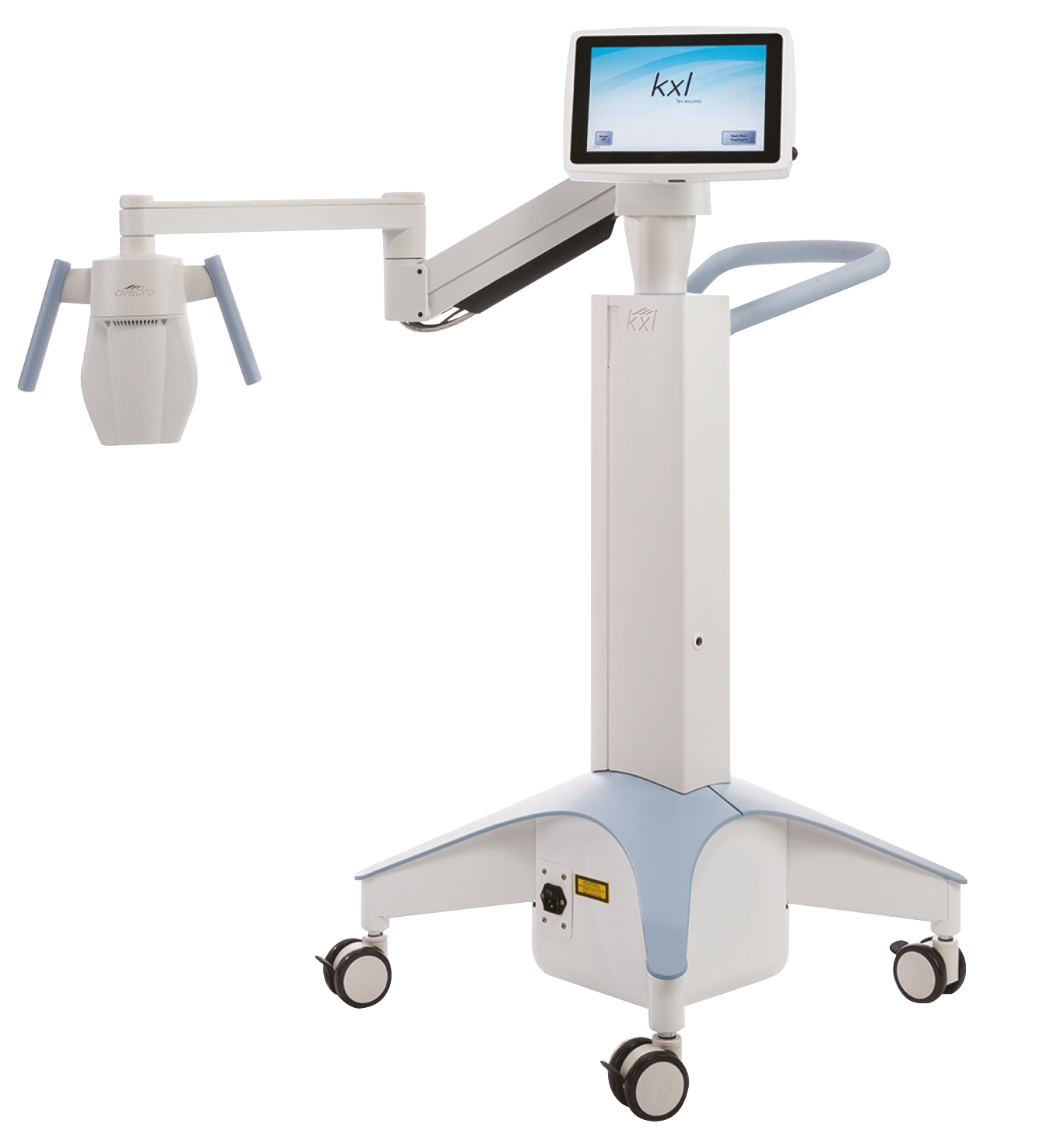
averdo kxl

Corneal Cross-linking

Corneal cross-linking works by applying drops of riboflavin (vitamin B₂) to the cornea and then exposing it to ultraviolet-A (UVA) light. This triggers chemical reactions that create new “cross-links” between the collagen fibres in the cornea, strengthening its structure and making it more rigid. By reinforcing and stabilizing the cornea, CXL helps prevent further thinning and bulging — the hallmark of keratoconus — and thus halts or greatly slows the progression of the disease. Although CXL doesn’t reverse existing corneal shape changes or restore perfect vision, it often preserves current vision levels and reduces the risk that the patient will eventually need a corneal transplant.

drmachine

KXL + PTK

Combining CXL with PTK leverages the strengths of both procedures: PTK uses an excimer-laser to gently smooth and regularize the surface of the cornea (epithelium removal with laser rather than mechanical scraping), which tends to reduce corneal irregularities and improve shape regularity before the cornea is stabilized. Then CXL strengthens the cornea by creating additional molecular cross-links in the collagen lamellae, stiffening the corneal structure and halting further thinning or bulging. The result is dual benefit: improved visual quality (less distortion and better visual acuity) and long-term biomechanical stability — meaning reduced risk of further progression of keratoconus. Many surgeons and studies consider CXL + PTK (or more broadly “CXL-plus” protocols) the best-available balance today between stabilizing the diseased cornea and rehabilitating vision, especially in patients whose corneas are thick enough and whose disease is moderate.

Keratoconus and the Goldberg Centre

y4811i13

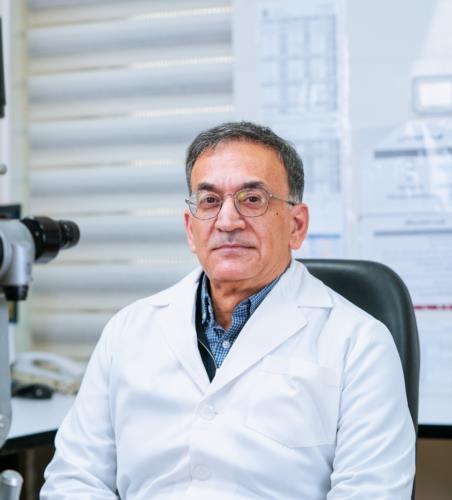
Dr. Sasan Niknam MD FRCS (C)

Dr. Niknam is the premier Corneal Specialist in Toronto Canada as well as Sheraz Iran. As a published author of studies regarding various corneal diseases including Keratoconus, Dr. Niknam is considered the preeminent authority on Corneal diseases and Keratoconus.

Your questions answered

What are my best options for contact lenses post CXL?

Scleral contact lenses are often considered the best option for Keratoconus patients because they vault over the irregular, cone‑shaped cornea and rest on the white part of the eye (the sclera), creating a smooth, fluid‑filled optical surface — this corrects the distortion from the misshapen cornea and significantly improves visual clarity.  Because they don’t touch the sensitive cornea directly, they tend to be much more comfortable and stable than regular rigid or soft contact lenses, even with advanced keratoconus or corneal scarring.

Does CXL mean I won’t ever need further surgery?

CXL significantly reduces the risk of needing a corneal transplant — by halting progression of keratoconus in many cases.
But because keratoconus can vary in severity and progression, long-term monitoring is still important; in some cases, additional interventions (e.g. specialty contact lenses, other surgeries) may still be needed.

Is there a risk that vision might get worse after CXL?

Yes — though rare, there are risks. Possible complications include persistent corneal haze, scarring, infection, or slow healing of the corneal surface, which can affect vision. 
Reports vary, but generally complications that cause lasting vision loss are uncommon (in many clinics, fewer than ~3% of treated eyes have serious long-term issues).

Can vision get worse before it gets better after CXL?

Yes — it’s common for vision to worsen briefly in the first few weeks as the cornea heals.
Fluctuations in vision (blurriness, haze, glare) during the first 1–3 months are not unusual.

Will I need new glasses or contact lenses after CXL?

Very likely — because your cornea’s shape may change during healing, your pre-CXL glasses or contact lens prescription may no longer match. 
Many clinicians recommend waiting until 4–8 weeks post-procedure before finalizing a new prescription, to allow for early healing and stabilization.

FREE Consultation: in clinic or virtual

We’ll check your eyes and tell you what your options are.
NO COST. NO OBLIGATION. NO HARD SELL
BOOK IT!

About

The Goldberg Centre uses NO-CUT LASER technology, the newest technique for laser surgery. It is simply the safest, best way to perform laser vision correction.
Facebook Instagram Twitter
Located in Scarborough, Ontario we also service many patients from Toronto, North York, and the GTA.

Quick Links

  • Home
  • Our Clinic
  • Promotions
  • Blog
  • Contact
  • Media
  • Partners
  • Privacy Policy

Vision Correction

  • Alternative Methods
  • Dry Eyes
  • No-Cut Laser Vision Correction
  • Plexr
  • Chalazion Removal

Goldberg Medical Spa

For the best in non-invasive cosmetic treatments, visit the Goldberg Medical Spa.
Goldberg Medical Spa

Reach Us

  • 2235 Kennedy Rd, Scarborough, ON M1T 3G8, Canada
Copyright All Rights Reserved © 2024 • www.goldbergcentre.com is a division of Dr. Chaim Goldberg Medicine Professional Corporation

NOT SURE IF YOU ARE A

CANDIDATE FOR LASER EYE SURGERY?

Click HERE

to take our 1 minute questionnaire

Want to know which procedure is right for you?

LASIK and SMiLE cut your eye

PRK is No Cut

TRANS PRK is No Cut, No Touch, No Flap

×

MENU

  • Consultation
  • Blog
  • Contact
416-412-4441
Book Consultation